Unlock the Power of a Lightning-Fast Website
A slow website is a significant barrier to user engagement and business success. If you’re looking to increase website speed and provide an exceptional online experience, you’ve come to the right place. A fast-loading site not only keeps visitors happy but also plays a crucial role in your search engine rankings. This comprehensive guide will walk you through ten proven strategies to optimize your website’s performance, ensuring it loads quickly and efficiently, ultimately boosting your conversions and online visibility.
Why Every Millisecond Counts: The Impact of Website Speed
Website speed is more than just a technical detail; it’s a critical factor influencing user behavior, SEO, and ultimately, your bottom line. Users expect instant access to information, and even a delay of a few seconds can lead to frustration and a high bounce rate. Search engines, particularly Google, prioritize fast-loading websites, making page speed a vital component of any successful SEO strategy. A sluggish site can erode trust, diminish brand perception, and directly impact your ability to convert visitors into customers. Investing in page speed optimization is an investment in your business’s future.
Decoding Performance: Understanding Key Website Speed Metrics
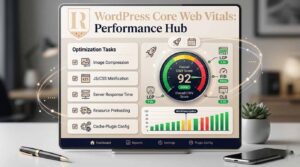
To effectively optimize your website, it’s essential to understand the metrics that truly matter. Google’s Core Web Vitals are a set of real-world user experience metrics focusing on loading performance, interactivity, and visual stability. These include:
- Largest Contentful Paint (LCP): Measures the loading performance by reporting the render time of the largest image or text block visible within the viewport. A good LCP score indicates that users see the main content quickly.
- Interaction to Next Paint (INP): Assesses a page’s overall responsiveness to user interactions by observing the latency of all interactions during a user’s visit. A low INP means your site responds quickly to clicks and taps.
- Cumulative Layout Shift (CLS): Quantifies unexpected layout shifts of visual page content. A low CLS score ensures a stable visual experience without annoying content shifts.
Another crucial metric is Time to First Byte (TTFB), which measures the time it takes for your server to respond to a request. A high TTFB often points to server-side issues. For a detailed analysis of these metrics and how to interpret them, refer to our guide on Website Speed Test: How to Measure and Fix Slow Load Times Like a Pro. You can also use tools like Google PageSpeed Insights to get comprehensive reports on your site’s performance.
10 Proven Ways to Supercharge Your Website Speed
Here are actionable strategies to significantly improve your website’s loading times:
1. Optimize Images for Web
Large, unoptimized images are a common culprit for slow loading. Compressing images, using modern formats like WebP, and implementing lazy loading can drastically reduce page load time. Ensure images are appropriately sized for their display area and consider using image CDNs.
2. Minify CSS, JavaScript, and HTML
Minification involves removing unnecessary characters (like whitespace, comments, and line breaks) from your code without affecting functionality. This reduces file sizes, leading to faster downloads and parsing by browsers. Combine and compress files where possible.
3. Leverage Browser Caching
Browser caching stores static resources (like images, CSS, and JavaScript files) on a user’s local machine. For subsequent visits, the browser loads these resources from the cache instead of the server, significantly speeding up page load times. Configure appropriate caching headers on your server.
4. Utilize a Content Delivery Network (CDN)
A CDN distributes your website’s content across multiple servers globally. When a user accesses your site, the content is delivered from the server geographically closest to them, reducing latency and improving website speed. This is particularly beneficial for a global audience.
5. Reduce HTTP Requests
Each element on your page (images, scripts, stylesheets) generates an HTTP request. The more requests your site makes, the longer it takes to load. Consolidating files, using CSS sprites, and reducing the number of external scripts can significantly lower the number of requests and improve page load time.
6. Optimize Server Response Time
Your server’s response time is crucial. A slow server can negate other optimization efforts. This involves optimizing your database, using efficient server-side code, and choosing a reliable hosting provider. Regularly monitor your server’s performance.
7. Implement Lazy Loading
Lazy loading defers the loading of non-critical resources (like images and videos below the fold) until they are actually needed. This means the browser only loads what’s visible to the user initially, making the page appear to load much faster. As users scroll, more content loads dynamically.
8. Choose a Fast and Reliable Hosting Provider
The foundation of a fast website is a good hosting provider. Invest in a host that offers robust infrastructure, SSD storage, and optimized server configurations. Shared hosting can be cost-effective but often sacrifices speed; consider VPS or dedicated hosting for better performance.
9. Regular Database Optimization
For dynamic websites, especially those built on platforms like WordPress, an unoptimized database can significantly slow down your site. Regularly clean up your database, remove unnecessary data, and optimize tables to ensure quick data retrieval.
10. Use Efficient Themes and Plugins
Bloated themes and too many plugins can add significant overhead to your website. Choose lightweight, well-coded themes and only install essential plugins. Regularly audit your plugins and remove any that are not actively used or are known to cause performance issues.
Integrating Speed into Your Broader Digital Strategy
Optimizing website speed is not a one-time task but an ongoing process that should be integrated into your broader digital strategy. Services like Technical SEO and an SEO Audit Service can help identify underlying technical issues affecting performance. Our Core Web Vitals Optimization service specifically targets these crucial metrics to ensure your site meets Google’s standards. Ultimately, a robust Digital Marketing Service understands that a fast website is foundational to a successful online presence.
Ready to Accelerate Your Online Success?
Don’t let slow load times hinder your online success. A professional approach to website speed optimization is essential for a superior user experience, improved conversion rates, and higher search engine rankings. Our Page Speed Optimization services are designed to help your website load faster, rank higher, and deliver an exceptional user experience. Ready to improve your website performance? Contact us today to learn how we can help you achieve lightning-fast load times and unlock your website’s full potential.